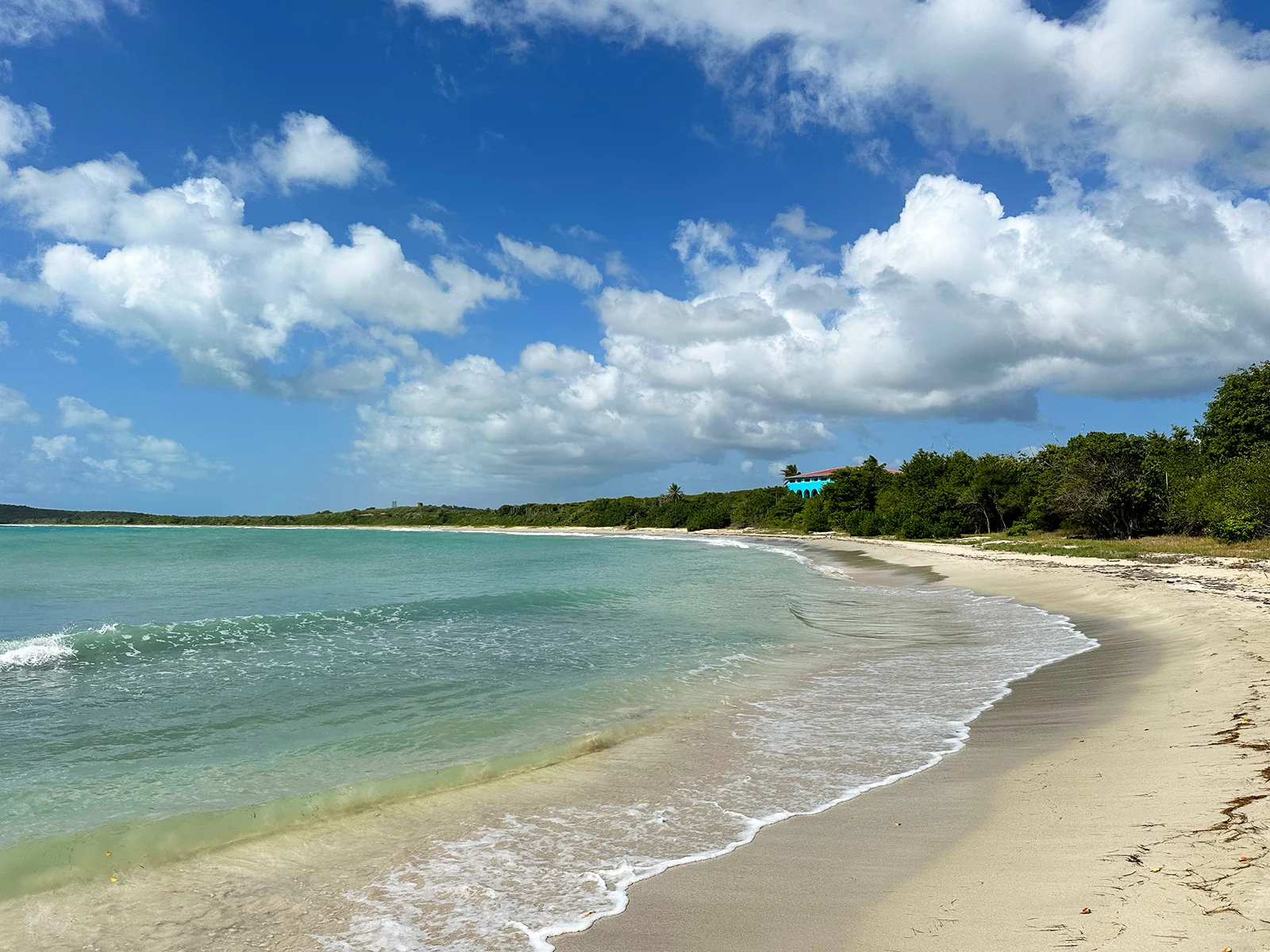
If you’re weighing whether to retire in St. Croix, you’ve probably seen the pitch already: warm weather, US passport-free living, “cheap Caribbean paradise.” Some of that’s true. A lot of it is marketing.
Here’s the honest verdict: St. Croix is a great place to retire if you want genuine island life, the ease of staying under the US flag, and you don’t need to live near a major medical center. It’s not a great fit if you’re chasing a cheap retirement, or if you want big-city specialist care a short drive away. Everything else is detail. Let’s get into it.
Why People Choose to Retire in St. Croix
The pull is real, and it’s not hype. Retirees who retire in St. Croix talk about the same thing over and over — the pace. Nobody’s rushing. Traffic doesn’t exist in any way a mainlander would recognize. You’re never more than about half an hour from anywhere on the island, so “thirty minutes late” is basically on time.
Compared to its sister islands, St. Croix hits a middle note that a lot of people are looking for. St. Thomas has the traffic, the cruise ships, the commercial crush. St. John is beautiful but can feel too quiet, too remote. St. Croix lands in between — real theater, real restaurants, real live music, real neighborhoods, without the hustle. For a preview of that community spirit, check out our St. Croix Christmas Boat Parade writeup.
Then there’s the practical stuff that makes the leap easier than “moving to the Caribbean” sounds:
- No passport, no visa. You’re a US citizen moving within the US. Fly down with a driver’s license.
- US dollar, English, US mail. None of the friction people associate with an “offshore” move.
- No territorial sales tax and no tax on services. Every purchase isn’t taxed the way it would be stateside.
- Genuinely low property tax. St. Croix taxes real estate at roughly 0.377% of purchase price for homes and 0.495% for land — a fraction of what many mainland retirees are used to paying.
That combination — island pace, US logistics, low property tax — is what gets people on the plane to look at houses.
The Real Numbers: Taxes, Utilities, Groceries, Housing
A lot of retirement blogs go soft here. We won’t.
Taxes
No state or territorial income tax stacked on top of federal, and no general sales tax. That’s genuinely good. But be careful with the “move to the USVI and pay almost no tax” articles floating around — those describe the Economic Development Commission (EDC) program, built for people who own and operate a qualifying local business and hire USVI residents. If you’re retiring on Social Security, a pension, or investment income with no local business, that 90% tax credit program isn’t for you. Your day-to-day tax picture is simply: no state tax, no sales tax, low property tax. Good, not magic.
Electricity
Here’s the number that surprises people. USVI electricity runs roughly $0.40–$0.50 per kilowatt-hour, compared to a US national average around $0.16. Power here comes from imported fuel, and it shows up on the bill. Realistic monthly electric costs run $250–$400, more if you’re running AC constantly or have a pool. If you’re serious about planning to retire in St. Croix, price out solar early — it changes this number more than anything else you’ll do.
Groceries
Plan on paying roughly 10–20% more than mainland US prices. Almost everything arrives by boat, and that cost gets passed straight to you at checkout.
Housing
Rents and home prices vary a lot by area and proximity to water, but don’t expect “cheap Caribbean” pricing — St. Croix real estate has been trending upward for years. If you’re buying, budget for windstorm insurance too: lenders often require it for a mortgage, and it typically runs 2–3% of your home’s value annually, a real line item most mainland retirees haven’t budgeted for. Curious what beachfront living actually looks like day to day? Our Sand Castle review is a good look at the beachfront end of the island.
Put together, most cost-of-living comparisons put St. Croix somewhat above the US national average once you account for housing, food, and power — not the bargain it’s sometimes sold as, but not unreasonable for what you’re getting either.
The Healthcare Reality Check for Anyone Planning to Retire in St. Croix
Healthcare is the piece that matters most for a retirement decision, and the one people skip.
St. Croix has one hospital: Governor Juan F. Luis Hospital and Medical Center in Christiansted, with close to 190 beds. It covers internal medicine, surgery, OB/GYN, psychiatry, and dialysis, and it handles day-to-day and emergency care for the whole island.
The honest picture is mixed, and depends on what you need. People who’ve used it for acute situations — a bad fall, sudden abdominal pain, an ER visit — frequently report attentive, competent care, sometimes describing it as on par with what they’d get stateside. Patient satisfaction surveys put it in solidly average territory nationally, not top-tier, not alarming.
Where it gets real: specialized and complex care is not on-island. Advanced cardiology, major oncology treatment, complex surgical specialties — for those, you’re looking at a flight to San Juan or the mainland. If you or a spouse manages a chronic condition that requires a specialist you see regularly, that’s a recurring flight, not a one-time inconvenience. This is the single biggest practical filter for whether you should retire in St. Croix. Ask yourself honestly: could you manage your specific health needs with a 30–45 minute flight to reach a specialist, and are you financially and physically able to do that as you age?
If the answer is yes, the island’s day-to-day medical care is solid. If the answer is no, this is the dealbreaker, not the electricity bill.
Safety, Honestly
St. Croix is not dangerous the way sensational headlines sometimes suggest, but it’s also not a bubble. Crime exists, it’s uneven by neighborhood, and it’s higher in some pockets than a first-time visitor expects from a place this laid-back. The standard advice — know your neighborhood before you buy, don’t leave valuables visible in your car, stay aware after dark in certain areas — isn’t paranoia here, it’s just how longtime residents actually live. Most retirees who’ve been here years will tell you the same thing: normal precautions, and you’re fine. Ignore the topic entirely, and you’re taking an unnecessary risk with your eyes closed.
Who Thrives Here — and Who Shouldn’t Come
You’ll likely thrive if you retire in St. Croix and:
- You want a genuinely slower pace and you mean it — not “slower until I get bored.”
- You’re in reasonably good health, or your medical needs can be managed with periodic off-island trips.
- You value US logistics (mail, banking, no passport) over the idea of a more “exotic” retirement.
- Higher power and grocery costs won’t strain your budget.
- Being outdoors matters to you — beaches, hiking, water — because that’s most of what daily life revolves around here. (For a taste of the food scene, see our Dining Out guide, and for the beach side, our piece on Sandy Point.)
St. Croix probably isn’t the move if:
- You’re retiring on a tight budget expecting Caribbean-cheap living. It isn’t.
- You or a spouse has a serious chronic condition requiring regular specialist visits you can’t easily fly out for.
- You want to be near major hospital systems, not a 30-minute flight from one.
- You’re expecting mainland-level infrastructure reliability — power outages and shipping delays happen, and if that would wear on you, it will.
St. Croix rewards people who come in with clear eyes. The island isn’t selling you a fantasy — it’s offering a real, slower, sun-soaked life with real trade-offs attached. Know which side of that list you’re on before you decide to retire in St. Croix.